Skills Audit

Skills Audit

What is a Skills Audit?

A skills audit is a structured review of workforce capabilities, mapped against business goals. It identifies current skills, evaluates proficiency levels, and reveals organizational skill gaps. It’s not a one-time checklist, but an evolving view of real-time skill readiness.

Why is a Skills Audit Important?

A skills audit ensures the workforce can meet evolving business needs at speed. It replaces gut-based decisions with skill-based intelligence. It enables better talent deployment, development, and succession planning. It’s essential for skills-first workforce strategy and organizational agility.

Benefits of Conducting a Skills Audit

  • Accurate Skill Visibility
    Understand what skills exist, where, and at what proficiency.
  • Strategic Talent Allocation
    Match people to roles based on real skills, not assumptions or titles.
  • Targeted Upskilling
    Direct learning investments to areas with the greatest impact.
  • Internal Mobility
    Identify adjacent skills that enable redeployment across teams or functions.
  • Stronger Workforce Planning
    Align supply with future skill demand at role, team, and org levels.
  • Cost Savings
    Reduce reliance on external hiring by leveraging internal potential.

What does a Skills Audit Include?

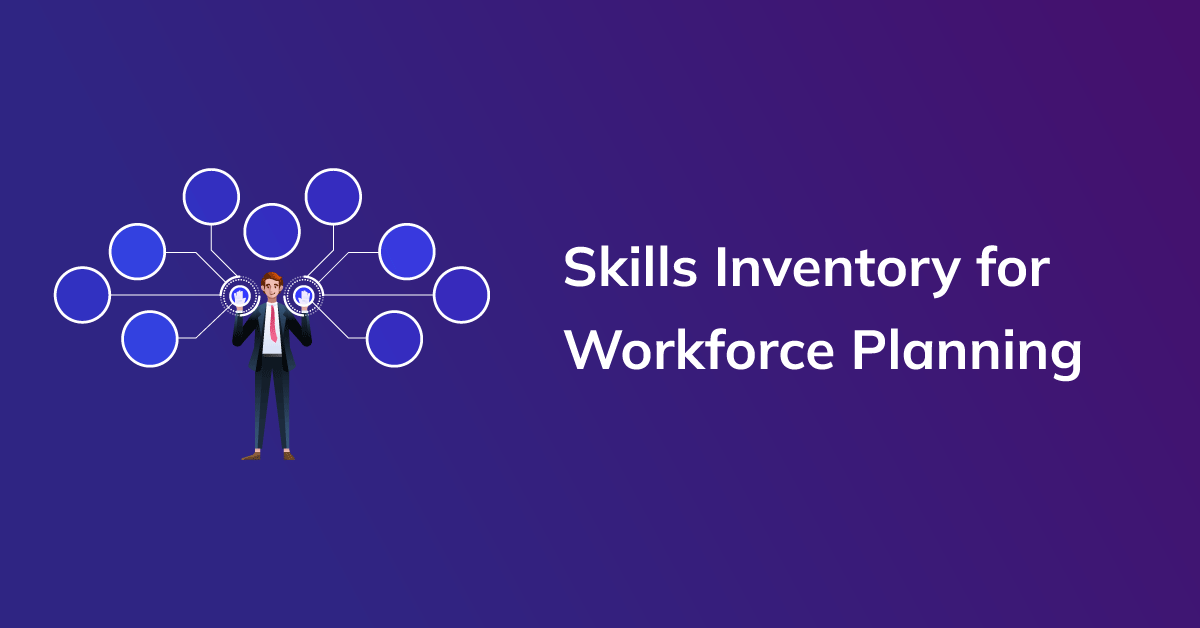
  • Skill Inventory Collection
    Identify and document all relevant skills within the organization.
  • Skill Level Assessment
    Evaluate proficiency, recency, and context of skill use—not just presence.
  • Skill Gap Analysis
    Pinpoint the difference between available and required skills for strategic goals.
  • Role vs. Skill Fit Check
    Ensure current roles align with actual skills, not outdated job descriptions.
  • Adjacency Mapping
    Discover nearby skills that can be built quickly for future roles.
  • Team Competency Maps
    Visualize collective strengths and gaps at team or unit levels.

Common Challenges in Traditional Skills Audits

  • Outdated or Self-Assessed Data
    Employees often overstate or list irrelevant skills.
  • Manual Collection
    Surveys and forms are time-consuming and hard to scale.
  • Inconsistent Skill Definitions
    Lack of a taxonomy makes comparison and aggregation unreliable.
  • Static Snapshots
    One-time audits fail to reflect ongoing workforce evolution.

Skills Audit vs Skills Inventory

Aspect

Skills Audit

Skills Inventory

Purpose

Assess and evaluate current workforce skills

Record of available skills

Nature

Analytical and diagnostic

Informational and archival

Use Case

Gap analysis, planning, and development

Talent profiling and baseline reference

Update Frequency

Ongoing with business evolution

Periodic updates